
The Ultimate Guide to UAE Adventure Tourism: Exploring Emirates with Supreme Adventure Tours
Discovering the United Arab Emirates: A Land of Contrasts and Wonder
The United Arab Emirates stands as a remarkable fusion of traditional Arabian heritage and futuristic vision. This federation of seven emirates has transformed from desert landscapes to ultramodern cityscapes in just a few decades, creating a unique destination that offers travelers an unparalleled diversity of experiences. From the towering skyscrapers of Dubai to the cultural richness of Abu Dhabi and the natural wonders of Ras Al Khaimah, the UAE presents a tapestry of adventures for every type of traveler.
Supreme adventure tourism in the UAE means experiencing the country’s highlights with insider knowledge, premium service, and attention to detail that transforms ordinary sightseeing into extraordinary memories. This comprehensive guide will take you through the most compelling adventures across all seven emirates, providing essential insights to plan your perfect UAE journey.
Dubai: Where Innovation Meets Luxury
Iconic Landmarks That Define the Skyline
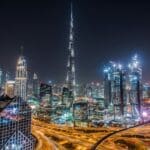
Dubai’s architectural marvels have become synonymous with human innovation and ambition. The Burj Khalifa, standing at an impressive 828 meters, offers visitors not just stunning views from its observation decks but a journey through the vision that transformed Dubai into a global metropolis [https://www.burjkhalifa.ae/en/]. A tour of this iconic structure provides context to Dubai’s remarkable development story.
The sail-shaped Burj Al Arab remains one of the world’s most photographed hotels and a symbol of Dubai’s luxury tourism. Though interior access is limited to guests and diners, the exterior views and surrounding areas offer excellent photo opportunities. The Palm Jumeirah, an artificial archipelago visible from space, hosts some of Dubai’s most exclusive resorts and beach clubs, offering visitors a taste of premier coastal living [https://www.visitdubai.com/en/places-to-visit/palm-jumeirah].
Cultural Discovery in Modern Dubai
Despite its futuristic appearance, Dubai maintains strong connections to its heritage. Dubai Creek represents the historic lifeblood of the city, where traditional wooden dhows still transport goods as they have for centuries. The Al Fahidi Historical Neighborhood (formerly known as Bastakiya) preserves mud-brick buildings, wind towers, and narrow sikkas (alleyways) that transport visitors to pre-oil Dubai.
The Dubai Gold Souk dazzles with its displays of jewelry, while the nearby Spice Souk engages all senses with its aromatic offerings. These traditional markets provide not just shopping opportunities but windows into Dubai’s trading heritage and multicultural influences that predate its skyscrapers.
Retail and Entertainment Extravaganzas
The Dubai Mall stands as the world’s largest shopping center by total area, housing over 1,200 retail outlets alongside attractions like the Dubai Aquarium and Underwater Zoo. The adjacent Dubai Fountain performs choreographed water displays set to music against the backdrop of the Burj Khalifa, creating a mesmerizing free spectacle that captivates visitors nightly.
For families, Dubai offers world-class entertainment destinations including Legoland, Motiongate, and Bollywood Parks. The Dubai Frame literally frames views of old and new Dubai from its 150-meter height, serving as a metaphorical bridge between the city’s past and present [https://www.thedubaiframe.com/].
Natural and Seasonal Attractions
The Dubai Miracle Garden showcases over 50 million flowers arranged in breathtaking designs, making it the world’s largest natural flower garden. This seasonal attraction (operating October to April) demonstrates Dubai’s ability to create lush environments in desert conditions through innovative irrigation systems.
Global Village combines shopping, dining, and entertainment from over 90 countries, operating during the winter months as a cultural festival that celebrates global diversity. These seasonal attractions align with Dubai’s tourism calendar, which offers varied experiences throughout the year.
Abu Dhabi: Cultural Depth and Architectural Splendor
Heritage and Religious Significance
Abu Dhabi’s Sheikh Zayed Grand Mosque stands as one of the world’s largest mosques and an architectural masterpiece that harmoniously blends various Islamic architectural styles. The mosque’s 82 domes, reflective pools, and prayer hall featuring the world’s largest handmade carpet create an atmosphere of serenity and spiritual grandeur [https://www.szgmc.gov.ae/en].
Qasr Al Watan, part of the Presidential Palace complex, offers visitors insight into Arabian heritage and governance traditions through its immaculate halls, exhibitions, and library containing thousands of rare manuscripts. These cultural landmarks provide depth to Abu Dhabi’s identity beyond its modern development.
Museums and Cultural Districts
The Louvre Abu Dhabi represents an unprecedented cultural partnership between the UAE and France, housing art and artifacts spanning human civilization under its innovative “rain of light” dome. Nearby, Saadiyat Island is developing as a cultural district that will eventually include the Guggenheim Abu Dhabi and Zayed National Museum.
For those interested in traditional lifestyles, Heritage Village recreates a desert village with craft demonstrations and exhibits explaining pre-oil life in the emirates. These cultural institutions preserve and contextualize both regional heritage and global artistic achievements.
Natural Wonders and Wildlife Conservation
The Arabian Wildlife Park on Sir Bani Yas Island allows visitors to observe indigenous species including Arabian oryx, gazelles, and giraffes in a protected reserve that emphasizes conservation. Mangrove National Park offers kayaking tours through lush mangrove forests that provide critical habitats for marine and bird species.
These natural attractions highlight Abu Dhabi’s commitment to environmental sustainability alongside its urban development, offering visitors diverse experiences beyond city environments.
Sharjah: The Cultural Heart of the UAE
Museums and Heritage Areas
Recognized as the Cultural Capital of the Arab World by UNESCO, Sharjah boasts over 20 museums covering Islamic civilization, natural history, science, and contemporary art. The Sharjah Museum of Islamic Civilization houses more than 5,000 artifacts illustrating Islamic contributions to world heritage and scientific advancement.
Al Noor Island combines art, literature, and nature with its butterfly house, literature pavilion, and sculptural installations. The Heart of Sharjah restoration project preserves traditional architecture and souks, allowing visitors to experience the emirate’s authentic character and trading history.
Ecological and Environmental Attractions
The Sharjah Desert Park encompasses the Arabia’s Wildlife Centre, Natural History Museum, and Children’s Farm, making desert ecology accessible through educational exhibits and direct observation. Khor Kalba Mangrove Center on Sharjah’s east coast protects rare mangrove forests and offers birdwatching opportunities for species including the rare Arabian collared kingfisher.
These conservation-focused attractions reflect Sharjah’s commitment to environmental education and preservation of natural heritage alongside its cultural initiatives.
Ras Al Khaimah: Adventure in Dramatic Landscapes
Mountain and Desert Experiences
Jebel Jais, the UAE’s highest mountain, offers breathtaking vistas and adventure activities including the world’s longest zipline, which propels thrill-seekers at speeds up to 160 km/h over dramatic mountain scenery [https://visitrasalkhaimah.com/discover/jebel-jais/]. The Jebel Jais Viewing Deck Park provides more accessible panoramic views for those preferring contemplative experiences.
Traditional desert camps offer overnight stays with authentic Bedouin experiences including falconry demonstrations, camel rides, and stargazing sessions. These immersive activities connect visitors with the region’s nomadic heritage and natural environment.
Coastal Attractions and Island Escapes
Al Marjan Island, a man-made archipelago extending into the Arabian Gulf, hosts luxury resorts with pristine beaches and water sports facilities. The island’s development represents Ras Al Khaimah’s growing tourism sector while maintaining a more relaxed atmosphere than Dubai’s intensive urbanization.
These diverse landscapes—from mountains to deserts to coastlines—make Ras Al Khaimah particularly appealing for visitors seeking varied natural environments within a single emirate.
Fujairah: Where Mountains Meet the Sea
Eastern Coast Experiences
Unlike other emirates, Fujairah faces the Gulf of Oman rather than the Arabian Gulf, offering different marine ecosystems and water conditions. Snoopy Island, named for its resemblance to the cartoon character, provides excellent snorkeling opportunities with abundant marine life visible in clear waters.
The historic Al Bidya Mosque, dating to the 15th century, stands as the UAE’s oldest mosque still in use, with distinctive architectural features including its four domes. These heritage sites connect visitors with the region’s pre-modern history and demonstrate cultural continuity.
Natural Wonders and Heritage Sites
Wadi Wurayah became the UAE’s first mountain protected area, featuring freshwater pools, waterfalls, and diverse wildlife including the endangered Arabian tahr. The wadi’s protected status reflects growing conservation awareness in the UAE’s development vision.
Fujairah Fort, recently restored after centuries of damage, offers insights into the region’s defensive architecture and tribal history. These attractions highlight Fujairah’s distinctive landscape and heritage separate from the western emirates’ desert environment.
Ajman and Umm Al Quwain: Discovering Hidden Gems
Ajman’s Coastal Charm
As the UAE’s smallest emirate, Ajman offers a more intimate experience with its corniche waterfront, dhow building yard where traditional wooden vessels are still handcrafted, and Ajman Museum housed in an 18th-century fort that served as the ruler’s residence until 1970.
These attractions preserve local heritage while the emirate’s developing hotel scene provides relaxed alternatives to Dubai’s intensity at more moderate prices.
Umm Al Quwain’s Traditional Character
Umm Al Quwain maintains the most traditional character among the emirates, with its fishing communities, dhow harbors, and Al Sinniyah Island bird sanctuary protecting flamingo populations and mangrove forests.
Dreamland Aqua Park offers family entertainment with water slides and pools, while the adjacent abandoned Soviet Ilyushin Il-76 aircraft has become an unexpected attraction, reflecting the region’s complex international connections during its development.
Planning Your Supreme UAE Adventure
Seasonal Considerations for Optimal Experiences
The UAE experiences extreme summer heat from June through September, with temperatures regularly exceeding 40°C (104°F). Winter months (November through March) offer pleasant temperatures around 24-28°C (75-82°F), making outdoor activities considerably more comfortable.
Ramadan observances affect operating hours for attractions, restaurants, and public services, though major tourist facilities maintain modified schedules. Understanding these seasonal variations helps visitors plan appropriate activities and pack suitable clothing for their adventure.
Transportation Between Emirates
While each emirate offers distinctive experiences, their relatively compact geography makes multi-emirate itineraries entirely feasible. Modern highways connect all emirates, with driving times from Dubai to Abu Dhabi approximately 1.5 hours, to Sharjah just 30 minutes, and to the northern emirates between 1-2 hours.
Car rentals provide maximum flexibility for exploration, while intercity buses offer economical options between major centers. For premium experiences, private car services with knowledgeable driver-guides optimize time efficiency while providing contextual information during transfers.
Accommodation Strategies
Each emirate offers accommodation options across price points, though Dubai and Abu Dhabi provide the widest range from ultra-luxury to budget-friendly properties. Strategic selection of base locations minimizes travel time to preferred attractions.
For comprehensive UAE exploration, consider split stays between Dubai or Sharjah for northern emirates access and Abu Dhabi for southern experiences. Alternatively, select strategically located properties with good highway access for day trips throughout the region.
Cultural Etiquette and Practical Considerations
While the UAE welcomes international visitors with relatively relaxed social norms in tourist areas, respecting local customs enhances travel experiences. Modest dress remains appropriate in public spaces, particularly religious sites and government buildings. During Ramadan, refraining from eating, drinking, or smoking in public during daylight hours shows cultural sensitivity.
Most emirates operate on a Sunday-Thursday workweek, affecting government service availability and sometimes creating weekend congestion at popular attractions. Advanced reservations for premier experiences like Burj Khalifa observation decks, Ferrari World, and desert safaris prevent disappointment during peak seasons.
Signature UAE Experiences Not to Miss
Desert Safari Adventures
The desert safari remains an essential UAE experience, offering thrilling dune bashing in 4×4 vehicles, camel rides, sandboarding, and evening entertainment with belly dancing, tanoura performances, and barbecue dining under the stars. Premium safari options include private vehicles, gourmet dining upgrades, and overnight desert camping experiences in comfortable “glamping” accommodations.
These excursions connect visitors with the desert environment that fundamentally shaped Emirati culture before urbanization, providing context for the remarkable transformation visible in modern cities.
Architectural Icon Tours
Beyond individual landmark visits, comprehensive architectural tours trace the UAE’s development through its built environment. From traditional wind tower houses and forts to early oil-boom structures and contemporary sustainable designs like Masdar City, these specialized tours reveal the evolution of Emirati architectural identity.
Guided tours with architectural historians provide context that enriches visual appreciation of both historic and ultramodern structures, connecting buildings to their cultural and economic significance.
Water-Based Explorations
Traditional dhow cruises along Dubai Creek or Abu Dhabi’s Corniche offer perspectives of these cities from the waterways that enabled their initial development as trading ports. More adventurous options include kayaking through mangrove forests, stand-up paddleboarding alongside Dubai Marina’s skyscrapers, and diving or snorkeling in the Gulf of Oman’s coral environments.
These water-based activities highlight the enduring importance of maritime environments to the region’s development and provide refreshing alternatives to land-based sightseeing.
Culinary Journeys
Emirati cuisine remains less internationally known than other Middle Eastern culinary traditions, making local food experiences particularly valuable for cultural understanding. Traditional dishes like machboos (spiced rice with meat), luqaimat (sweet dumplings), and camel meat specialties reflect Bedouin heritage adapted to contemporary tastes.
Food tours through older districts reveal authentic eateries alongside international options that demonstrate the UAE’s global connections. High-end restaurants increasingly incorporate local ingredients and traditional flavors into innovative menus that represent modern Emirati identity.
Exclusive UAE Experiences Beyond Standard Tourism
Falconry Experiences
Falconry represents an integral aspect of Bedouin heritage, with techniques and traditions passed through generations. Interactive falconry experiences at desert resorts and specialized centers allow visitors to understand the profound relationship between falconers and their birds while observing impressive flight demonstrations.
These encounters provide deeper cultural context than standard tourist presentations, connecting visitors with living heritage practices recognized by UNESCO as intangible cultural heritage.
Contemporary Art Explorations
The UAE’s rapidly developing contemporary art scene extends beyond major institutions to include independent galleries, artist communities, and annual events like Art Dubai. Alserkal Avenue in Dubai houses galleries, performance spaces, and creative businesses in repurposed warehouse spaces, while Warehouse421 in Abu Dhabi supports emerging regional artists through exhibitions and workshops.
These creative spaces reveal aspects of Emirati culture beyond heritage presentations and luxury developments, demonstrating ongoing cultural production that engages with both tradition and global contemporary discourse.
Sustainable Tourism Initiatives
Eco-tourism options increasingly highlight conservation efforts across the emirates. Sir Bani Yas Island’s wildlife conservation programs, Dubai Desert Conservation Reserve’s protection of indigenous species, and various marine conservation projects offer visitors insights into sustainability challenges and solutions in desert and coastal environments.
These experiences demonstrate the UAE’s growing environmental consciousness and efforts to balance rapid development with ecological responsibility—an essential aspect of the country’s long-term vision.
Conclusion: Creating Your Personalized UAE Adventure
The United Arab Emirates offers extraordinary diversity within a compact geographic area, allowing visitors to experience dramatic contrasts between ultramodern urban environments and traditional cultural expressions, between luxury indulgences and natural wonders. Supreme adventure tourism in the UAE means crafting journeys that engage with this diversity authentically, moving beyond superficial landmarks to appreciate the complex heritage and ambitious vision that define this remarkable federation.
Whether you’re captivated by architectural innovation, drawn to desert traditions, interested in emerging art scenes, or seeking adventure activities in distinctive landscapes, the seven emirates provide complementary experiences that combine into comprehensive understanding. By approaching UAE travel with curiosity about both its ancient heritage and future aspirations, visitors gain insight into one of the world’s most dramatic development stories while creating memorable adventures across diverse environments.
The UAE continues to evolve rapidly, adding new attractions and experiences each year. This dynamic quality ensures that even repeat visitors discover fresh perspectives and adventures with each journey—making the Emirates a destination that rewards both first-time exploration and deeper engagement over multiple visits.






Nemo enim ipsam voluptatem quia voluptas sit aspernatur aut odit aut fugit, sed quia consequuntur magni dolores eos qui ratione voluptatem sequi nesciunt.